Man with a van in Archway for local moves, deliveries and careful item transport

Our man with a van service in Archway is set up for straightforward moving work that needs the right vehicle, careful handling and a clear plan. We help with household items, smaller relocations, furniture collection and practical transport when a full removal lorry would be more than you need. The focus is on safe lifting, sensible loading and direct journeys that keep your items together from start to finish.
If you are comparing Archway man and van options, it helps to look at more than the vehicle size. Good results usually depend on the way items are protected, how the load is arranged and whether the service matches the kind of move you have in mind. Our man and van service covers the kind of flexible work many customers need when moving a few rooms, clearing bulky items or shifting purchased furniture.
Tell us what needs moving, where it is going and anything awkward about access, and we can help you choose a practical approach. Use the quotation request page when you are ready to request a quotation; if you are still comparing options, the sections below explain the main service types and how they are commonly used.
Everyday moving help for homes and rented properties
For domestic jobs, a man with a van is often the simplest way to move selected furniture, packed boxes or a modest household load without booking a larger removal vehicle. This works well when you are changing flat, moving out of a room in shared accommodation or transporting items between addresses. The service can be tailored to what you actually have, so you are not paying for unnecessary capacity.
The most useful domestic moves are usually the ones where timing, access and item protection are planned clearly. A wardrobe may need dismantling, a bed base may need extra care on stairs, and several boxes may be easier to stack by room or by stop. Home moves are a natural fit for this kind of work, especially when the job is small enough to benefit from a flexible vehicle and a hands-on approach rather than a full-scale relocation.
When arranging a quotation, it helps to note any heavy or awkward items, the number of floors at each address and whether parking is straightforward. That lets the moving plan reflect the work properly instead of relying on guesswork. If you need to move only part of a home, or a mix of furniture and boxed belongings, clear information usually leads to a more accurate quote and a smoother collection day.
Furniture collection, single items and small load transport

Many customers use a man and van service for one-off furniture pick-ups and other small load transport. This is useful for marketplace purchases, spare furniture, appliances that can be moved safely, or items being delivered to another property. A smaller job still benefits from the same careful handling as a larger move, especially if the pieces are heavy, awkward or need protection during transit.
Furniture pick-up is particularly practical when you have bought something that needs prompt collection or when you want a straightforward transport option without arranging an oversized vehicle. The service can be organised around the item itself, which means the route, loading order and securing method can be based on the shape and weight of what is being carried rather than on a fixed package.
When items are fragile, polished or recently assembled, careful wrapping and stable placement become more important than speed. Good loading practice reduces movement in transit and helps prevent scuffs or pressure marks. If you are uncertain whether one item can travel safely on its own or alongside other belongings, ask for a quote that reflects the actual load rather than assuming a standard answer will fit every job.
House removals for fuller moves and multi-room loads
Some jobs go beyond a couple of boxes or a single sofa. For fuller home moves, the service may need to cover multiple rooms, a larger furniture list and a more structured loading order. That is where house removal options become useful, because they allow the move to be handled in a way that suits the volume of belongings rather than forcing everything into a one-size-fits-all plan. This can suit small houses, flats with several large pieces or families moving on a tighter schedule.
House removals are typically about organising a domestic move so items leave one property in a controlled order and arrive ready for placement at the other end. Even where the move is not large, it still benefits from clear labelling, sensible stacking and enough time to protect delicate pieces. If there are stairs, narrow halls or lift restrictions, the plan should reflect those conditions from the start.
Useful move details often include the number of bedrooms, whether white goods are included and whether disassembly is needed for any large items. These facts help shape the quotation and reduce the risk of last-minute adjustments. A compact job can still need careful coordination, so it is worth being specific about what stays, what goes and what needs to be moved first.
Removal options for flexible local and regional work
Choosing the right service level
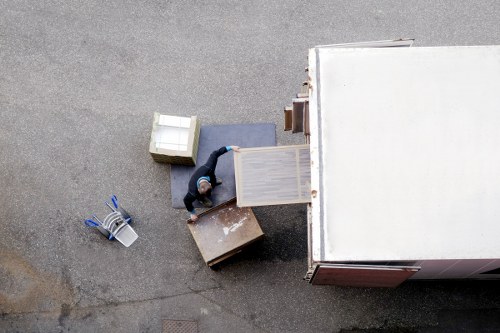
Removal work covers more than house moves alone. Sometimes the requirement is broader, involving collections, deliveries, partial clears or mixed loads that do not fit neatly into a single label. In those cases, a general removals service offers a flexible framework for transport, handling and loading across different job types. That flexibility can be useful when you are moving only part of a property, shifting stored items or combining several smaller tasks in one route.
Removal services are worth considering when the move needs practical support rather than a highly specialised package. The important point is that the work should suit the cargo: furniture, bags, boxes, folded items, disassembled parts or items collected from a supplier. A clear brief makes it easier to decide whether the work fits a focused van job or whether a broader removal setup would be better.
When you ask for pricing, think about the overall shape of the day: how many stops there are, whether access is easy, and whether the load includes anything that needs extra care. That information lets the service be matched to the job properly, which is often more useful than quoting from a vague description. If the move is split across more than one collection point, mention that early so the route can be planned sensibly.
Commercial moves and practical office transport
Man with a van work is not limited to domestic addresses. Small business moves and office transport often need the same careful handling as a home relocation, but with different priorities. Desks, chairs, monitors, archive boxes and lightweight equipment all need to be moved in a way that keeps them organised and easy to place at the new location. That is especially relevant when a business wants to reduce downtime and keep the move manageable.
Commercial moves can cover a wide range of jobs, from shifting a few essential items to moving a compact workspace. Planning matters here because office loads often include a mixture of standard furniture and items that should not be crushed, tipped or stacked carelessly. Separating fragile equipment from bulkier items helps the driver and any helpers keep the load stable and makes unloading more efficient.
For offices, it is often useful to prepare items by team, room or destination area so unloading is quicker on arrival. Labels, boxed cables and a short inventory can save time and avoid confusion. If you need the move to happen around business hours or in stages, make that part of the quotation request so the service can be set up with those limits in mind.
How loading, access and protection affect the job
The quality of a man and van service is often decided by the practical details. A short flight of stairs, a narrow landing or a long carry from the van can change the pace of the job and influence how items are packed. Good loading is not simply about fitting everything in; it is about arranging the load so nothing shifts, topples or suffers pressure damage in transit. That approach is just as important on a brief local delivery as on a bigger move.
For awkward or mixed loads, the best plan usually starts with the heaviest pieces, followed by sturdy boxes and then anything delicate or easily marked. Where suitable, blankets, straps and simple protective wrapping can help keep surfaces safe. If you have items that need to travel upright, or anything that should not be laid flat, state that clearly before the move. This sort of detail can be the difference between a routine transport job and a job that becomes difficult halfway through.
It is also wise to think about access at both ends. Parking, entry codes, shared entrances and lift use all affect how quickly a load can be managed. You do not need a long checklist, but a few precise notes can help create a realistic quotation. That is often enough to prevent unnecessary delays and to make sure the work is approached in the right order from the start.
About Archway

Archway is a North London district in the London Borough of Islington, named after the junction where Highgate Hill rises from the valley road below. The area grew significantly during the nineteenth century as transport routes improved and housing spread along the surrounding roads. Today it sits at a busy meeting point between residential streets, local shops and key routes leading towards Highgate, Holloway and Kentish Town. Its streets show a mix of late Victorian and Edwardian terraces, post-war redevelopment and later infill, which gives the district a layered urban character rather than a single architectural style. The Northern line station, opened in 1907, anchors the area’s transport identity, while the nearby A1 corridor and bus links keep it connected to the wider city. Archway’s everyday geography is shaped by the steep ground around Highgate Hill and the valley of the River Fleet, a feature now largely hidden underground. Open green spaces nearby include Waterlow Park and the approach to Hampstead Heath, both of which contribute to the area’s balance of dense streets and accessible open land. Local landmarks such as the Archway Tavern, the Whittington Hospital and the historic road layouts around Junction Road and Highgate Hill are part of the district’s recognisable setting. The area has also long been associated with movement: commuters, shoppers and residents all pass through the junction that gave Archway its name, making it a place defined by circulation, change and connection.
Packing, preparation and what to do before the van arrives
Preparation does not need to be complicated, but it should be practical. Packed boxes should be closed securely, loose parts kept together and any fragile items identified before lifting begins. If furniture needs to come apart, try to keep screws, shelf pins and small fittings in one labelled bag so reassembly is simpler later. These are modest steps, yet they can make the moving process much more organised and reduce the chance of items being separated by mistake.
It also helps to make sure the access route is clear. Hallways, landings and doorways should be free of obstacles where possible, and items waiting to go should be grouped in a sensible order. If there are objects that should go last because they are needed until the end, mention that when you request a quote. That way the loading sequence can reflect reality instead of relying on an assumption that every move works the same way. For many customers, this is the easiest way to keep the day calm and predictable.
Some jobs only need a little preparation, while others involve a fuller plan for a room-by-room move. Either way, a simple inventory of the larger items and a clear note of any awkward access points are usually enough to begin. If you are ready to talk through the details, send the information in one place and ask for the price based on the actual load rather than a rough estimate.
Other useful moving services and related support

A man with a van service can sit alongside other moving options when the job calls for something slightly different. Some customers need help with a larger house relocation, others want support for a business move, and some need practical collection or delivery work only. The key is matching the service to the workload, the access and the kind of items involved. That makes it easier to avoid paying for capacity you do not need while still getting the transport and handling the job requires.
Packing and unpacking services can be useful where the move includes a lot of boxes, fragile belongings or time-sensitive preparation. If packing is already done, the job becomes more direct; if not, support before and after transport can make the move feel less disruptive. When you are comparing options, think about what needs moving, what needs protecting and what needs to be ready immediately after delivery.
For a quick next step, keep your enquiry focused on the load, the addresses and any special handling points. If you want to compare pricing before committing, you can also look at pricing and quotes for the basic information needed to shape a quotation. Otherwise, a simple message outlining the job is enough to begin. Request a quotation when you are ready and we will help you move forward with a suitable plan.